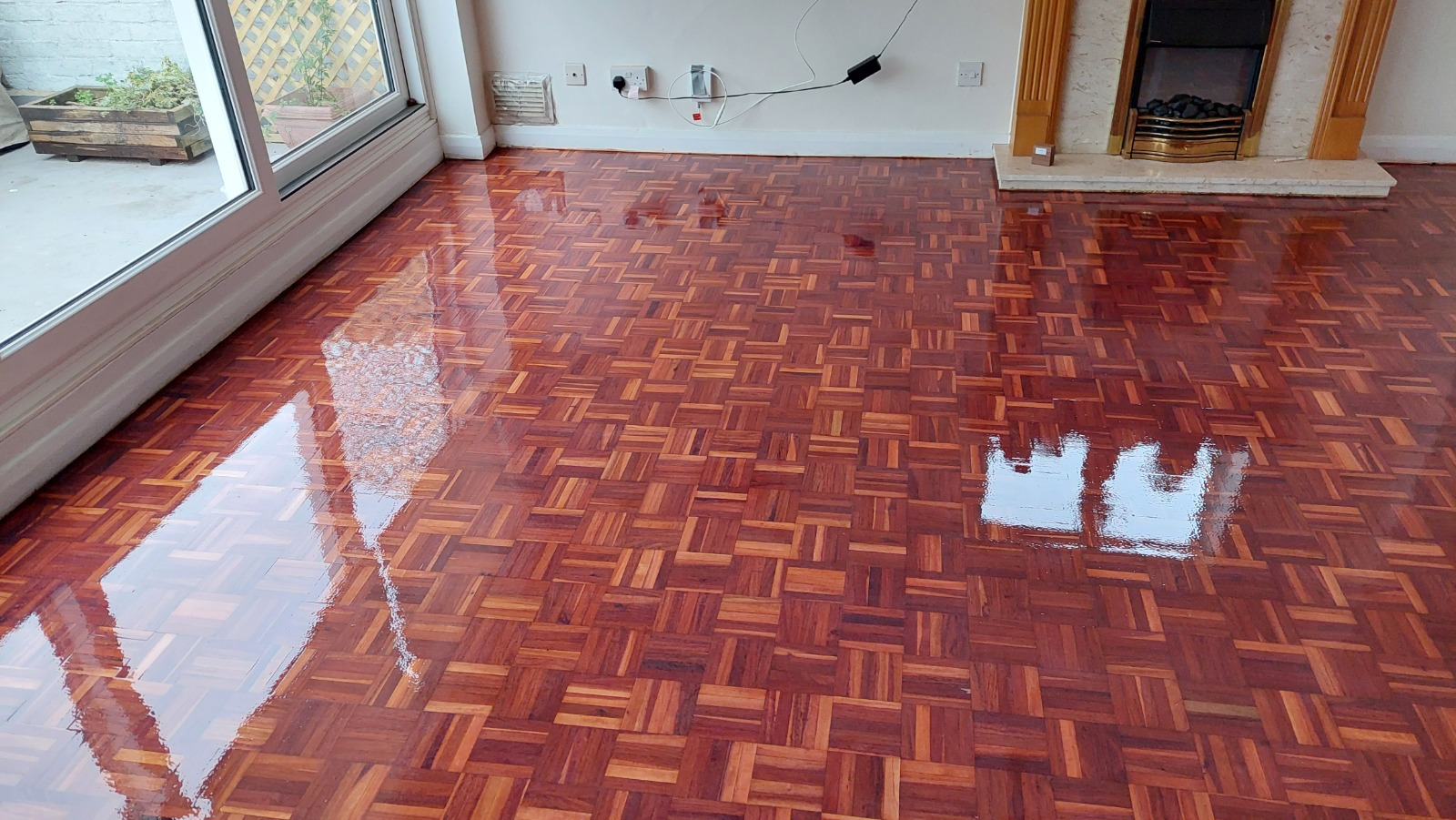
Wood Floor Sanding South Woodford: Revive Dull Timber Floors Fast
If your wooden floors in South Woodford are looking scratched, dull, patchy or just plain tired, you’re not alone. Between busy family life, office footfall, muddy shoes, pet claws, chair wheels and the odd DIY mishap, even solid wood and engineered boards can lose their shine. The good news? In most cases you don’t need to replace anything. With professional wood floor sanding, expert repairs and a modern hardwearing finish, you can bring back that “new floor” look—often in just a couple of days.
At South Woodford Floor Sanding, we help homeowners, landlords and local businesses transform worn floors into warm, clean, beautiful spaces again. This guide explains how the process works, what affects cost and timescales, which finishes suit different homes, and how to get the best long-term result.
Why floors go dull
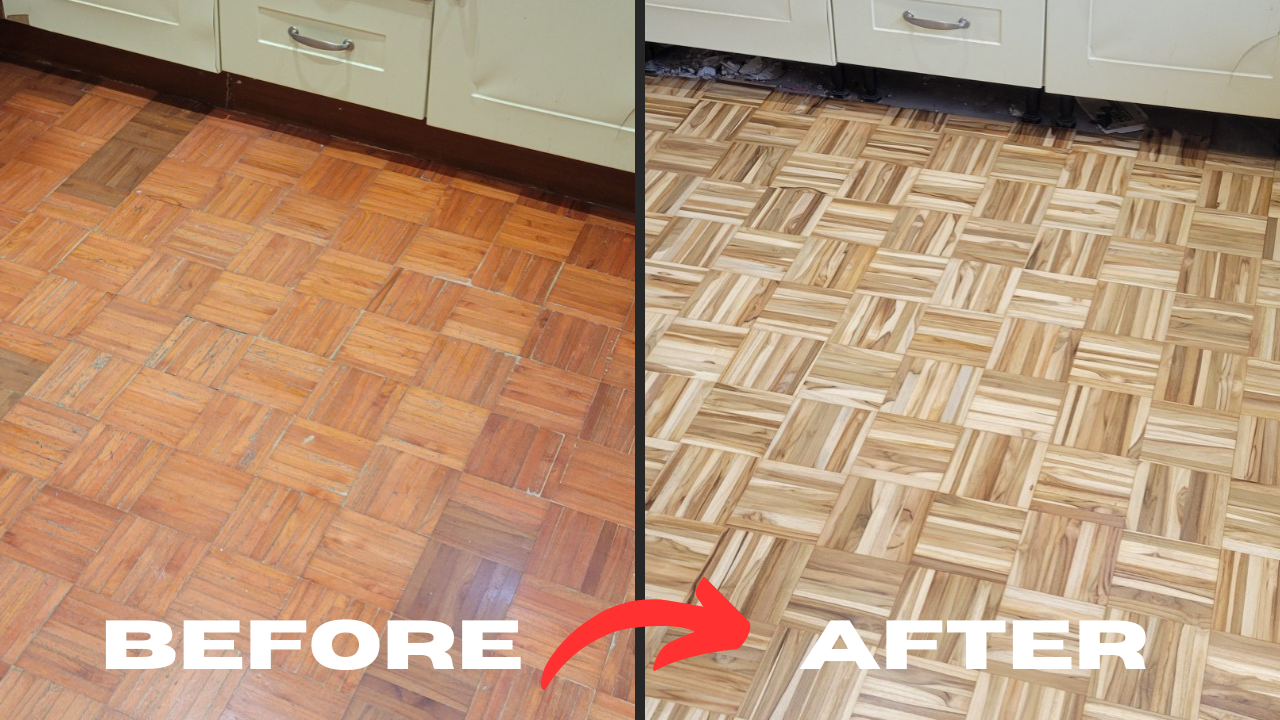
Wood is a natural material. Over time, the surface finish (varnish, oil or lacquer) wears away in the areas you walk on most—hallways, near sofas, by kitchen doors and around desks. Once that protective coat is thin, the timber below can absorb dirt and moisture. That’s when floors start to look grey, blotchy, or permanently “dirty” no matter how much you mop.
Sanding removes the worn top layer and levels the surface so the boards look consistent again. After sanding, we apply a fresh protective finish that seals the timber and makes daily cleaning easy.
You’ll be surprised at what sanding can fix:
- Scratches, scuffs and shoe marks
- Faded patches near windows or doors
- Dark stains from spills (in many cases)
- Old wax build-up and uneven sheen
- Minor dents and surface damage
- Small gaps and movement issues (with the right prep)
And if you’ve got missing blocks, loose boards, squeaks or damage around a fireplace? That’s where targeted repairs come in.
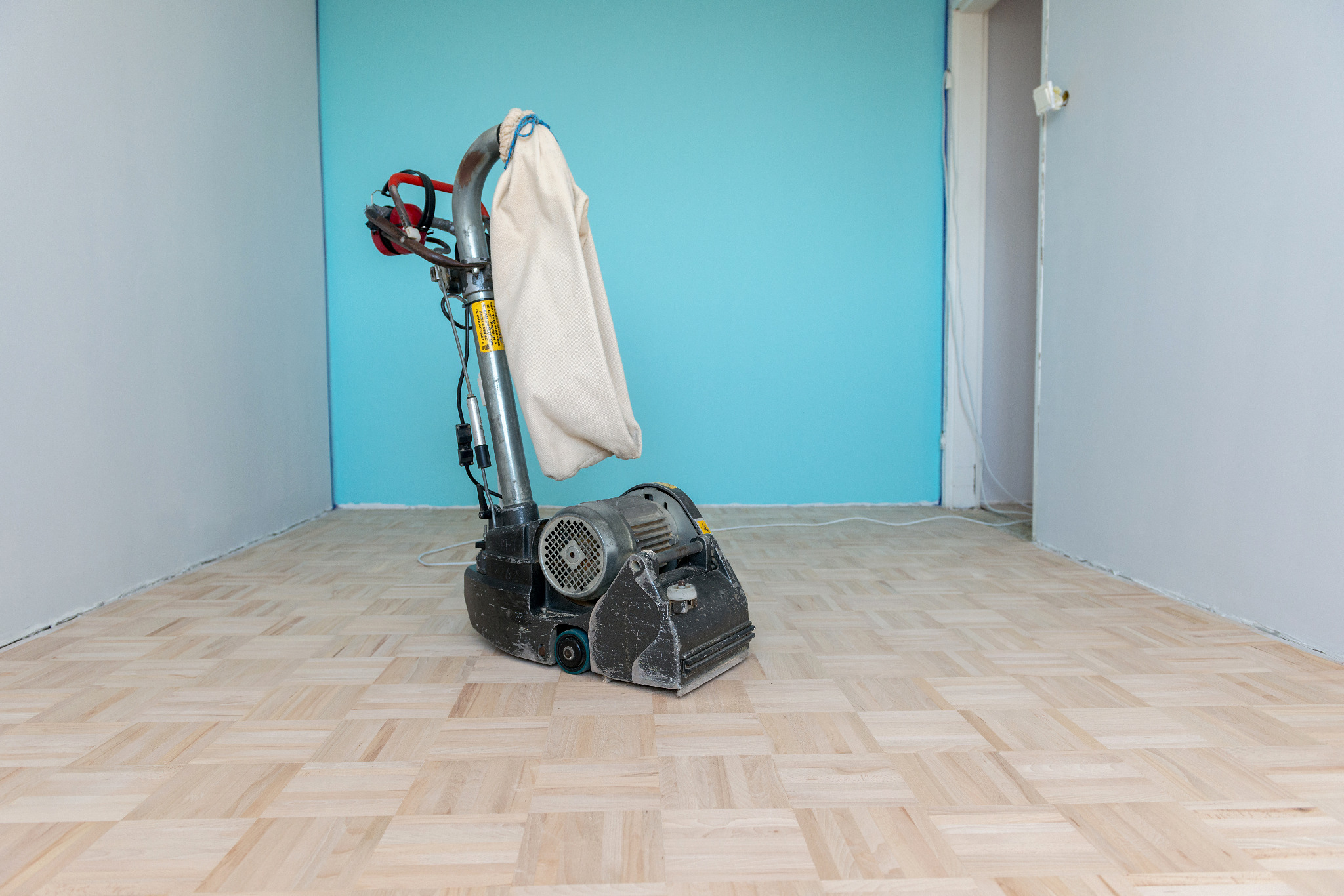
The “Wow” result starts with the right service
Different floors and different problems need different approaches. That’s why we offer a complete range of specialist treatments. When you’re reading service keywords below, you can click through for details on each one:
- Wood Floor Sanding (for solid wood and many engineered floors)
- Floor Repairs (loose boards, damaged sections, squeaks, gaps)
- Parquet Floor Sanding (herringbone, chevron, mosaic and block floors)
- Parquet Floor Restoration (repairs + sanding + finishing to revive period parquet)
- Stair Sanding (treads, risers and landings—safe, clean finishes)
- Commercial Floor Sanding (offices, retail, community spaces—durable coatings)
- Dust-Free Floor Sanding (modern extraction for cleaner, safer work)
(All service keywords above link to our website so you can explore the right option for your floor.)
What types of wooden floors can be sanded?
Most wooden floors in South Woodford fall into one of these categories:
Solid wood floorboards
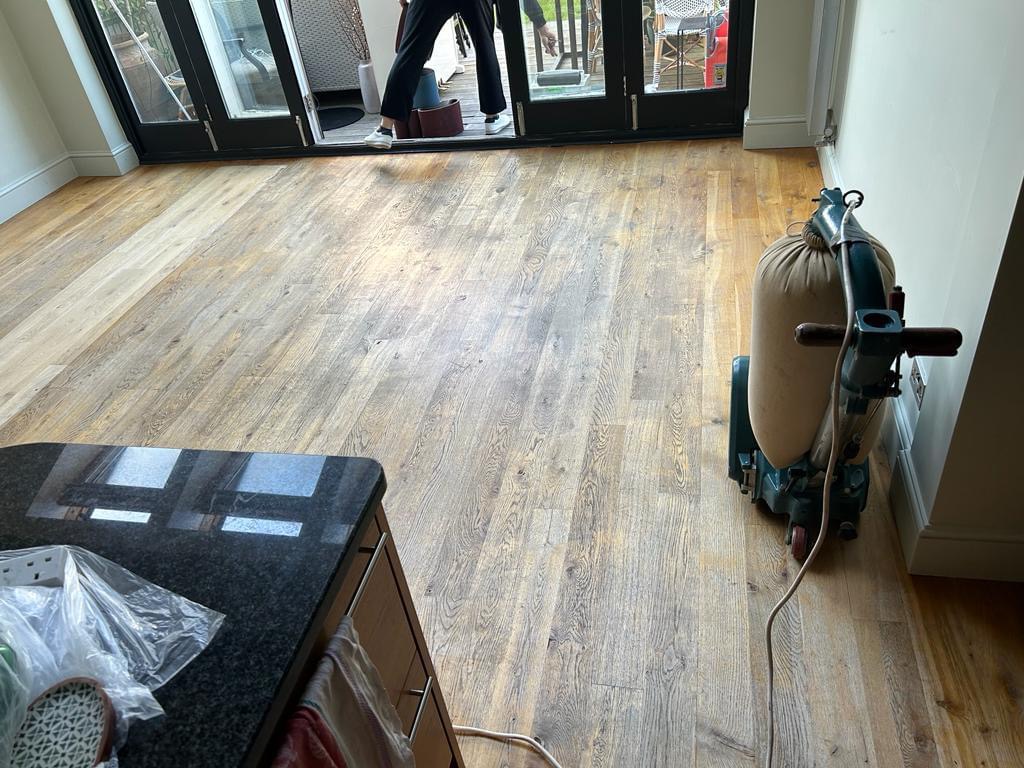
Traditional pine, oak, maple and similar boards can usually be sanded multiple times across their lifespan. If your boards are thick and structurally sound, sanding is a brilliant investment.
Engineered wood
Many engineered floors can be sanded—but it depends on the thickness of the real wood top layer (the “wear layer”). If it’s thin, you may only get one light sand, or it might not be suitable. We’ll advise honestly.
Parquet and block flooring
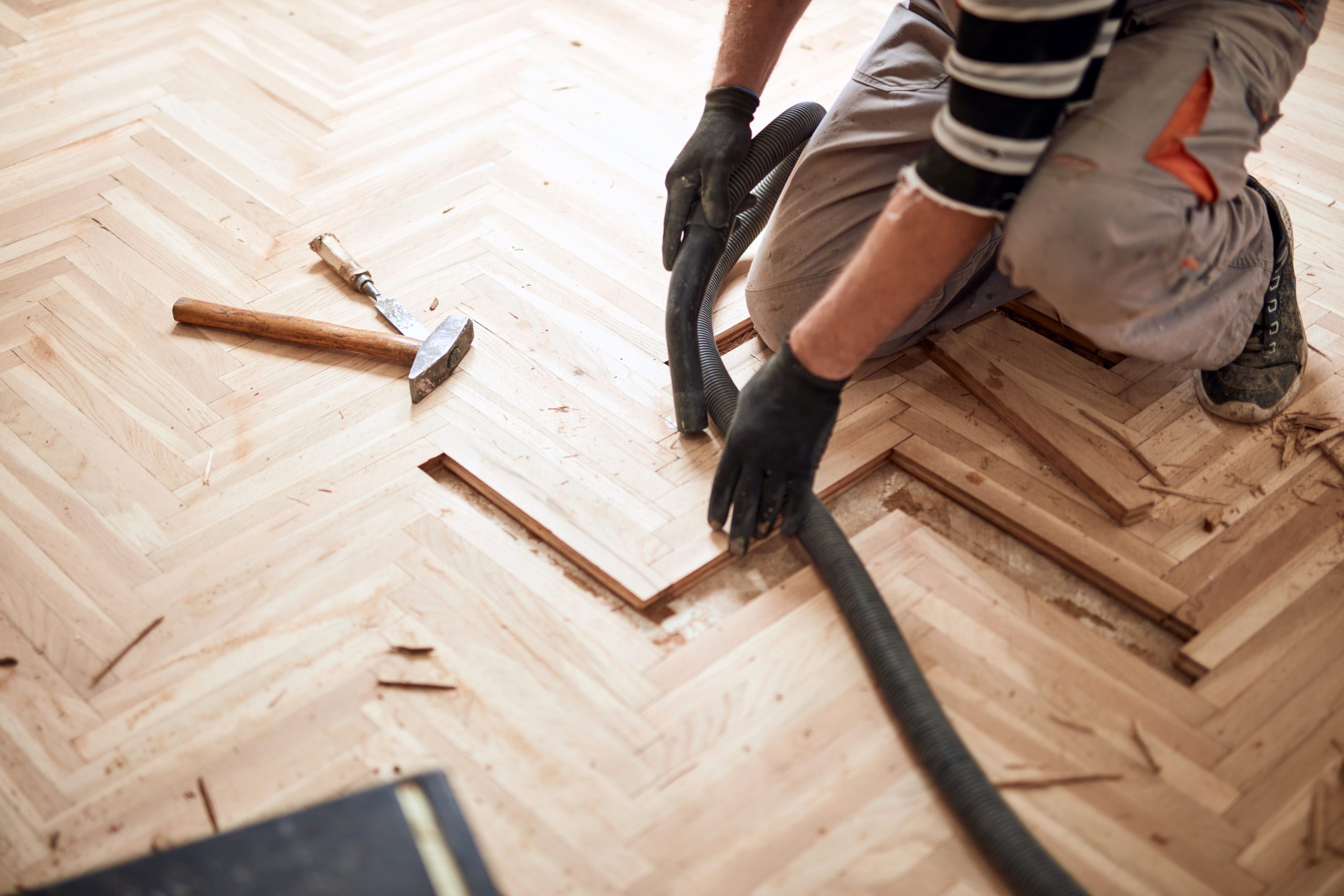
Parquet (herringbone, chevron, mosaic) sands beautifully when done correctly. Because patterns are often laid in smaller pieces, the sanding approach needs skill, the right machines and careful edge work. Our Parquet Floor Sanding and Parquet Floor Restoration services are designed for exactly this.
Stairs and landings
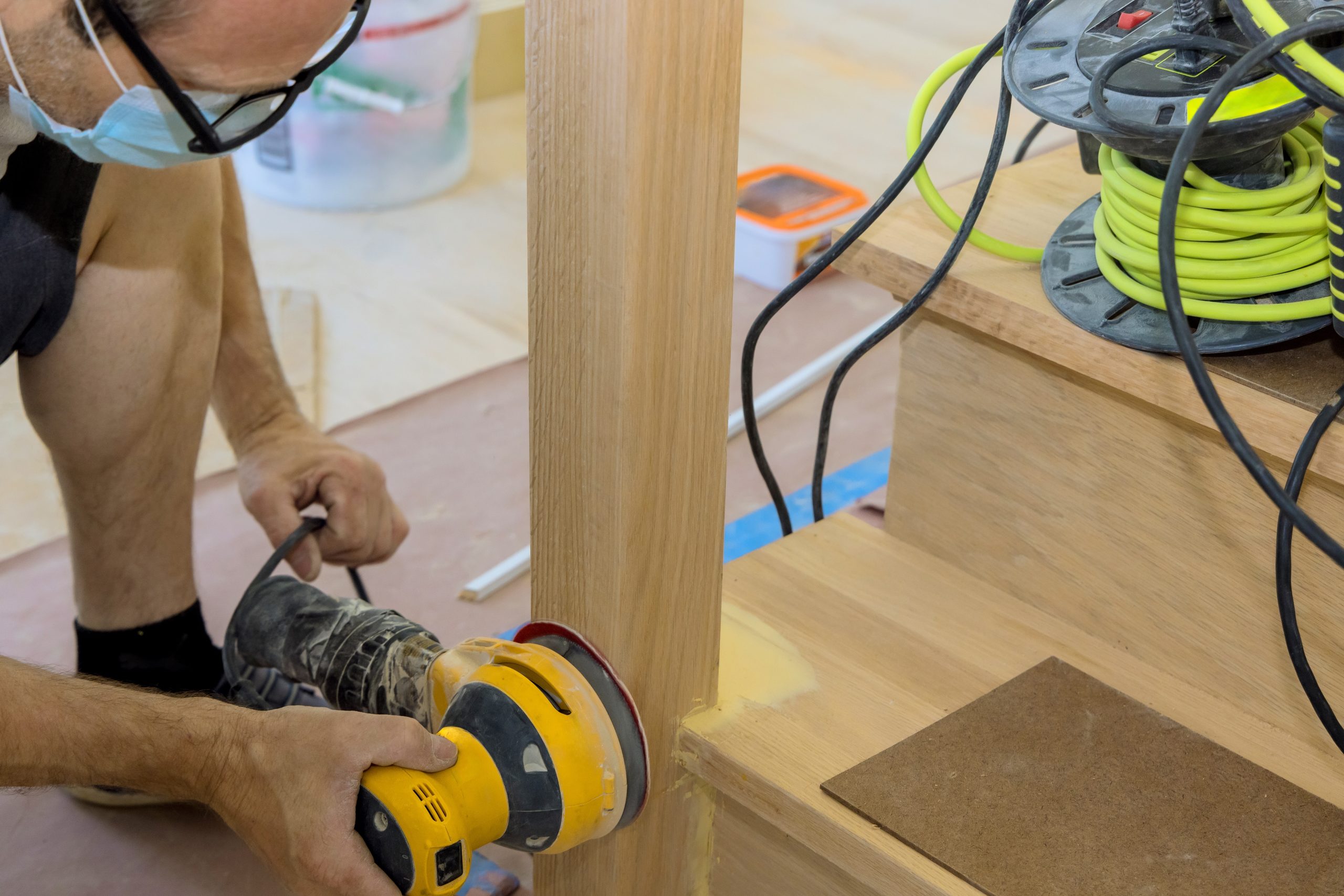
Stairs take a beating—especially the front edge of each tread. With proper Stair Sanding and a hardwearing finish, you can get a cleaner, safer and more modern look without replacing the staircase.
Our wood floor sanding process (step-by-step)
Here’s what a professional sanding and finishing job typically looks like:
1) Inspection and preparation
We check board thickness, movement, previous coatings, stains, gaps and any signs of damp. We’ll also discuss the look you want: natural matte, warm satin, or a slightly richer tone.
Before sanding starts, rooms are cleared as much as possible. If heavy furniture can’t be moved, we can often work in sections.
2) Repairs first (for a cleaner final finish)
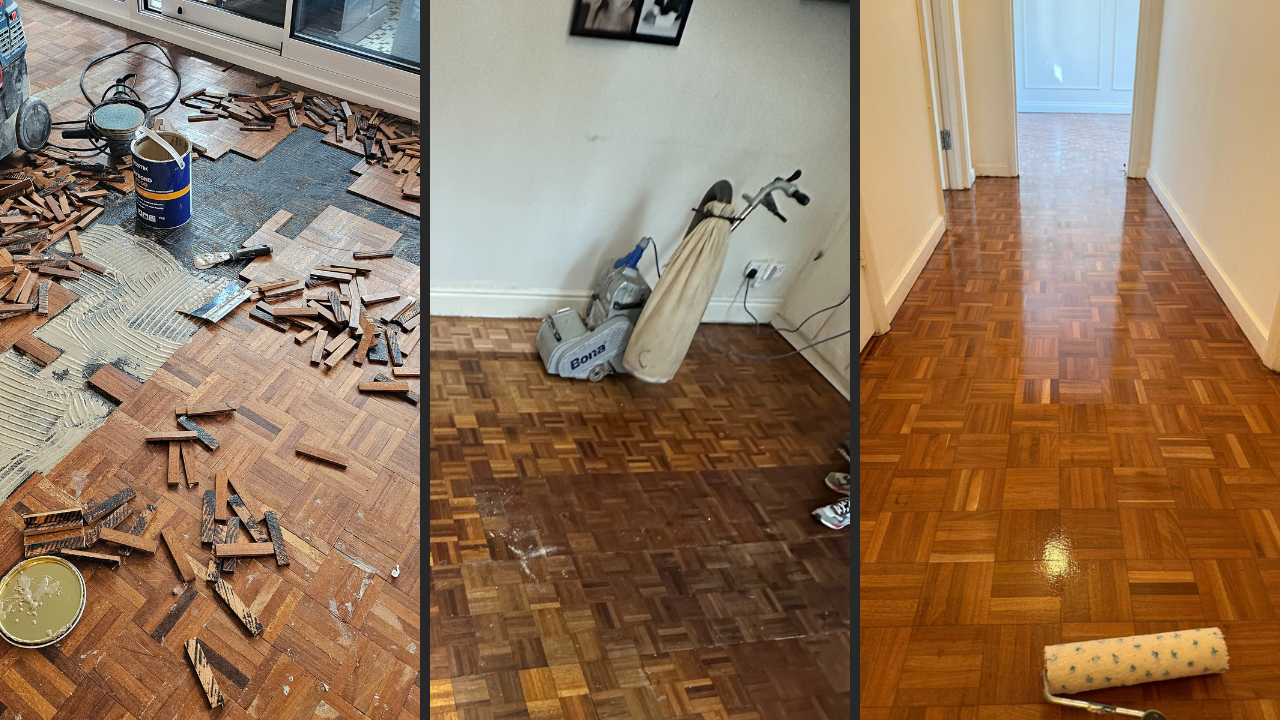
If boards are loose or squeaking, we secure them properly. If there are damaged areas, we patch with matching timber where possible. For parquet, we re-bond loose blocks and level problem areas.
This stage is where floors go from “better” to “wow”. A flawless finish needs a stable base.
Explore Floor Repairs if your floor has movement, gaps or damage.
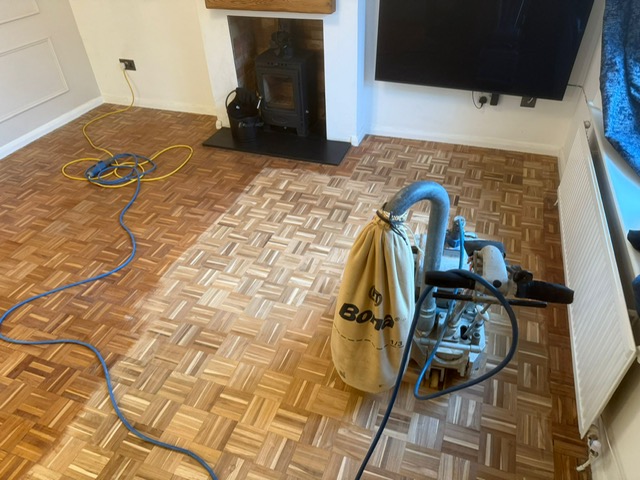
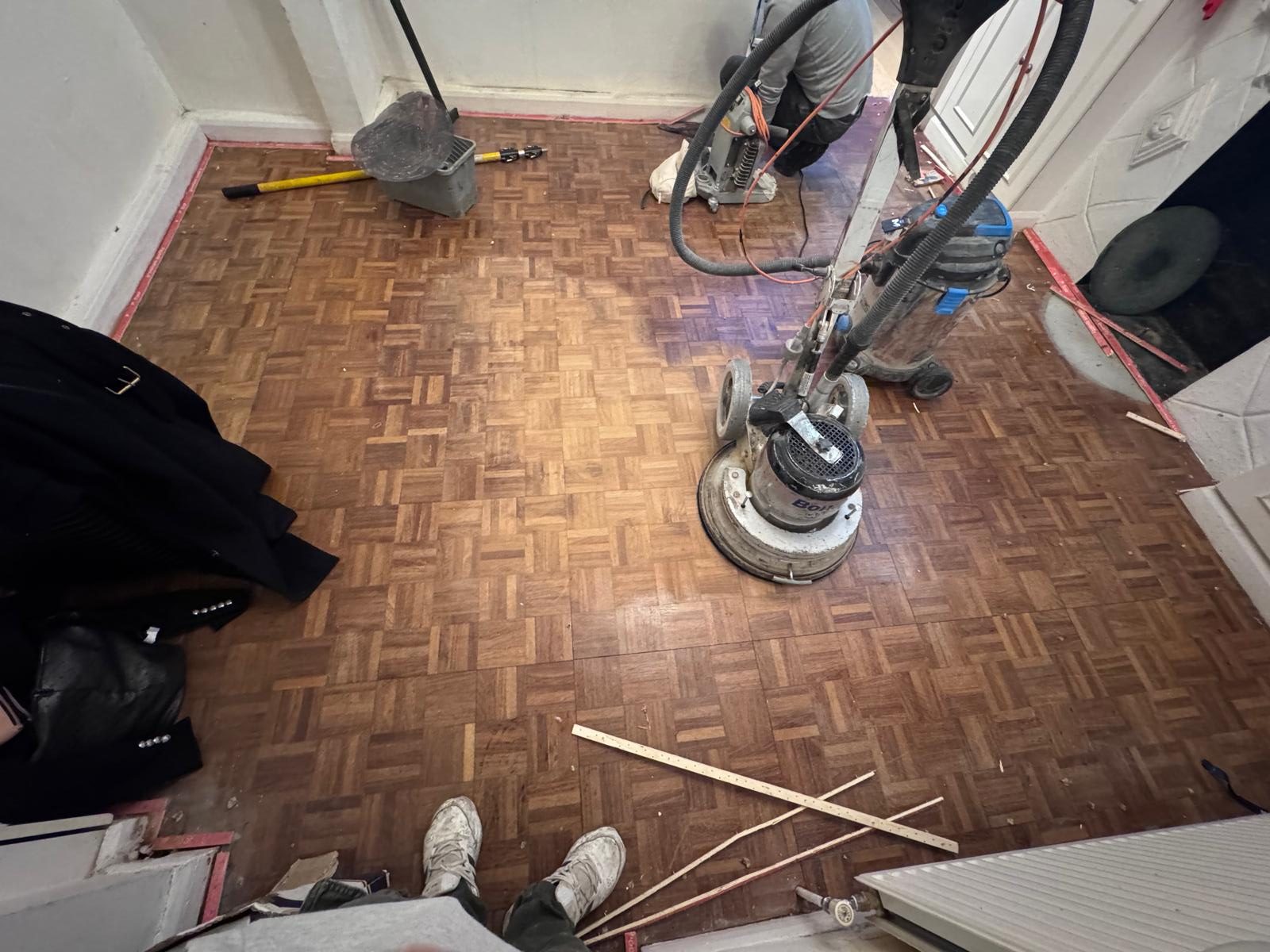
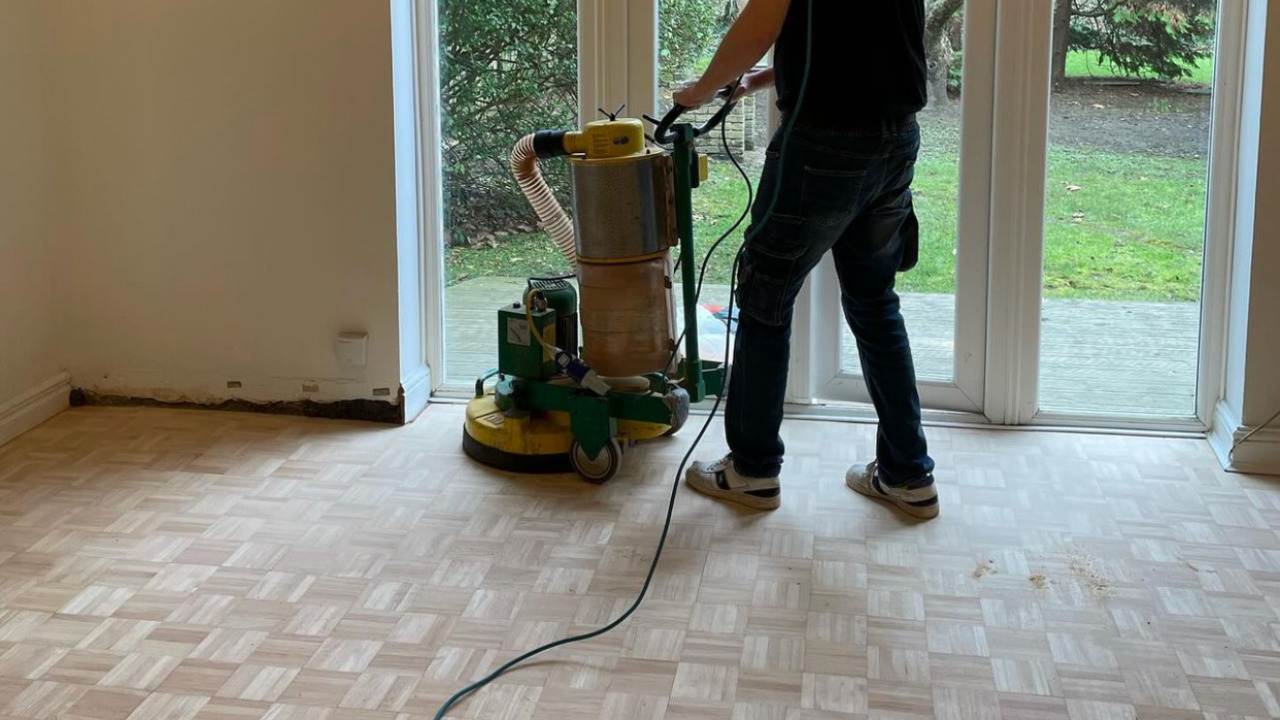
3) Dust-controlled sanding
Modern sanding equipment uses high-powered extraction to capture the vast majority of dust. It’s not magic—wood sanding always produces fine particles—but a professional Dust-Free Floor Sanding setup makes the job cleaner, safer and far more comfortable for homes.
We sand in multiple stages:
- Coarse sanding to remove old finish and level the floor
- Medium sanding to refine scratches
- Fine sanding for a smooth, even surface
- Edge sanding around skirting and corners
- Detail work where needed (stairs, tight areas, thresholds)
4) Filling gaps and fine imperfections (when appropriate)
Depending on the floor type and the look you want, we can fill small gaps and minor imperfections using resin mixed with fine sanding dust for a close colour match. This improves the finished look and reduces draughts and dirt traps.
We’ll advise if your floor is better left with natural movement (common in older boards) or if filling will help.
5) Sealing and finishing
This is the protective layer that determines:
- How your floor looks (matte/satin/gloss)
- How it handles wear, water and stains
- How easy it is to clean
- How often it needs maintenance
We apply the chosen finish in thin, even coats, with drying time between coats. Most floors need 2–3 coats depending on the product and usage.
Choosing the right finish for your South Woodford home
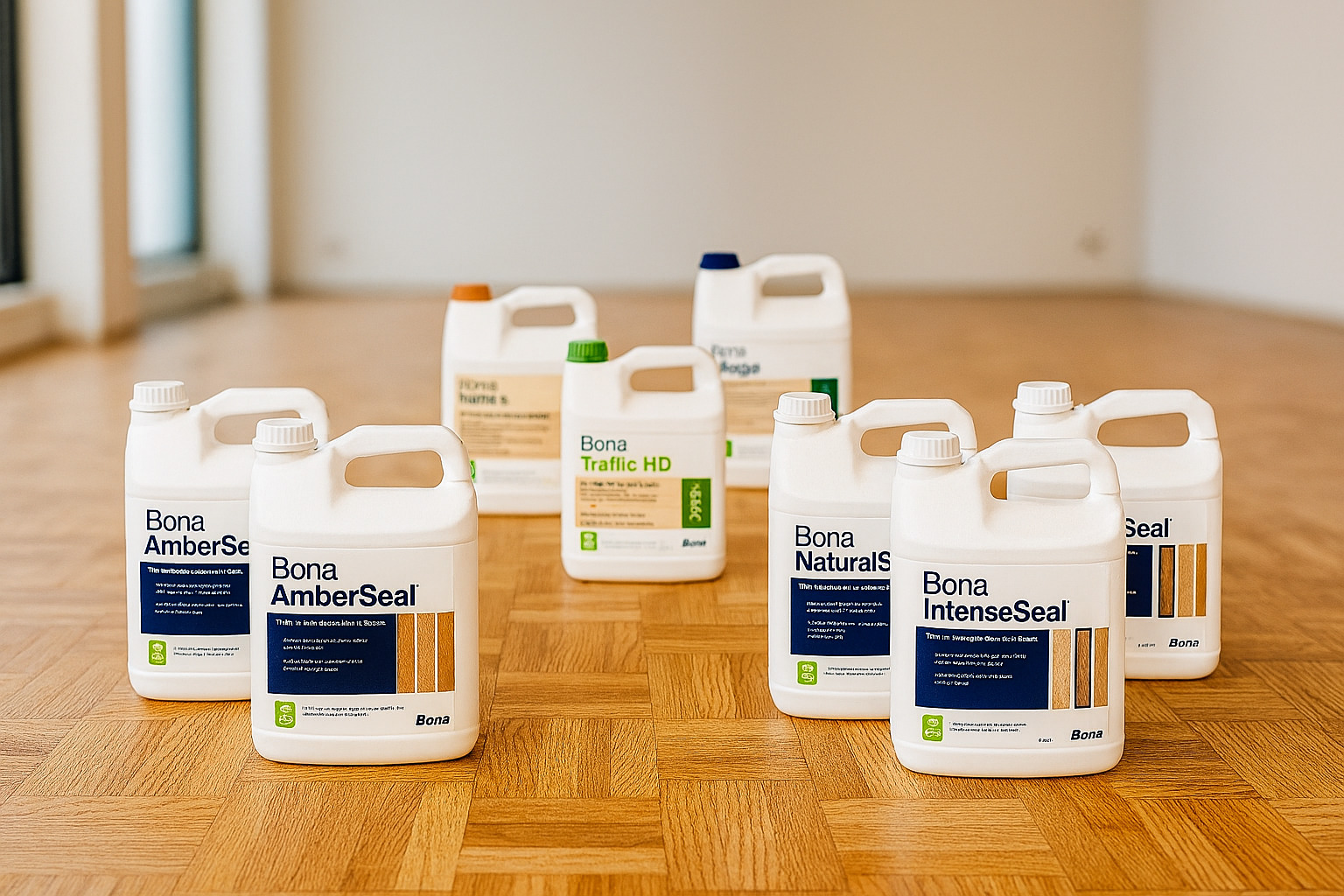
Finishes aren’t one-size-fits-all. Here’s a practical guide:
Water-based lacquer (popular for modern homes)
Best for: busy homes, kids, pets, light interiors
Look: clear, natural colour (less ambering)
Pros: fast drying, low odour, hardwearing, easy to clean
Consider: some people prefer the warmer tone of oil
Oil-based finishes (for warmth and character)
Best for: period properties, rustic looks, rich colour
Look: warmer, deeper tone that enhances grain
Pros: beautiful depth, can be spot-repaired (depending on product)
Consider: longer drying time, more odour during application
Hardwax oils (a balance of natural look + protection)
Best for: natural/matte lovers who still want durability
Look: soft, natural sheen, tactile “wood feel”
Pros: easy maintenance, repairable, popular in premium interiors
Consider: needs correct maintenance products for longevity
If you’re unsure, we’ll recommend a finish based on how the room is used—hallway vs bedroom, family lounge vs rental property, domestic vs Commercial Floor Sanding environments.
How long does floor sanding take?
Timescale depends on the floor size, condition, and the finishing system. As a rough guide:
- 1 room (average size): often 1 day sanding + finishing (with return visits if required for coats)
- 2–3 rooms + hallway: typically 2–3 days
- Stairs: usually 1–2 days depending on complexity
- Commercial spaces: planned around access and downtime, often evenings/weekends if needed
Drying and curing matter:
- Floors are often walkable the same day or next day (depending on finish)
- Heavier use and furniture may need a little longer
- Rugs should usually wait until the finish fully cures (we’ll advise)
Is floor sanding messy?
With modern extraction and professional methods, sanding is far cleaner than it used to be. We use dust-controlled equipment and take care to protect surrounding areas. You’ll still want to:
- Remove or cover sensitive items
- Keep doors shut to reduce air movement
- Expect some light clean-up after the job (normal for any building work)
If you’re particularly concerned about dust—for example, in a home office, nursery, or if someone in the household is sensitive—ask about our Dust-Free Floor Sanding approach.
Common questions from South Woodford customers
“Will you remove the skirting boards?”
Usually no—most sanding can be done with skirting in place using professional edging tools. If you’re planning a full refurb and want skirting removed, we can work alongside your project.
“Can you sand painted floorboards?”
Often yes, but paint can clog abrasives and may need extra passes. We’ll assess and quote accordingly.
“Can stains be removed?”
Many stains improve dramatically after sanding, but very deep black stains (often from water or pet urine) can penetrate the timber. Sometimes we can reduce them, replace affected boards, or use a stain/finish strategy to blend.
“Do you fix squeaks?”
Yes—squeaks usually come from movement or loose fixings. Our Floor Repairs service can secure boards and reduce noise significantly.
“Is it worth sanding before selling?”
In many cases, yes. Freshly sanded floors improve first impressions, photography, and perceived value—especially in competitive areas.
Caring for your newly sanded wood floor
A great finish still needs the right care. Here’s how to keep that “wow” look:
Do:
- Use felt pads under furniture
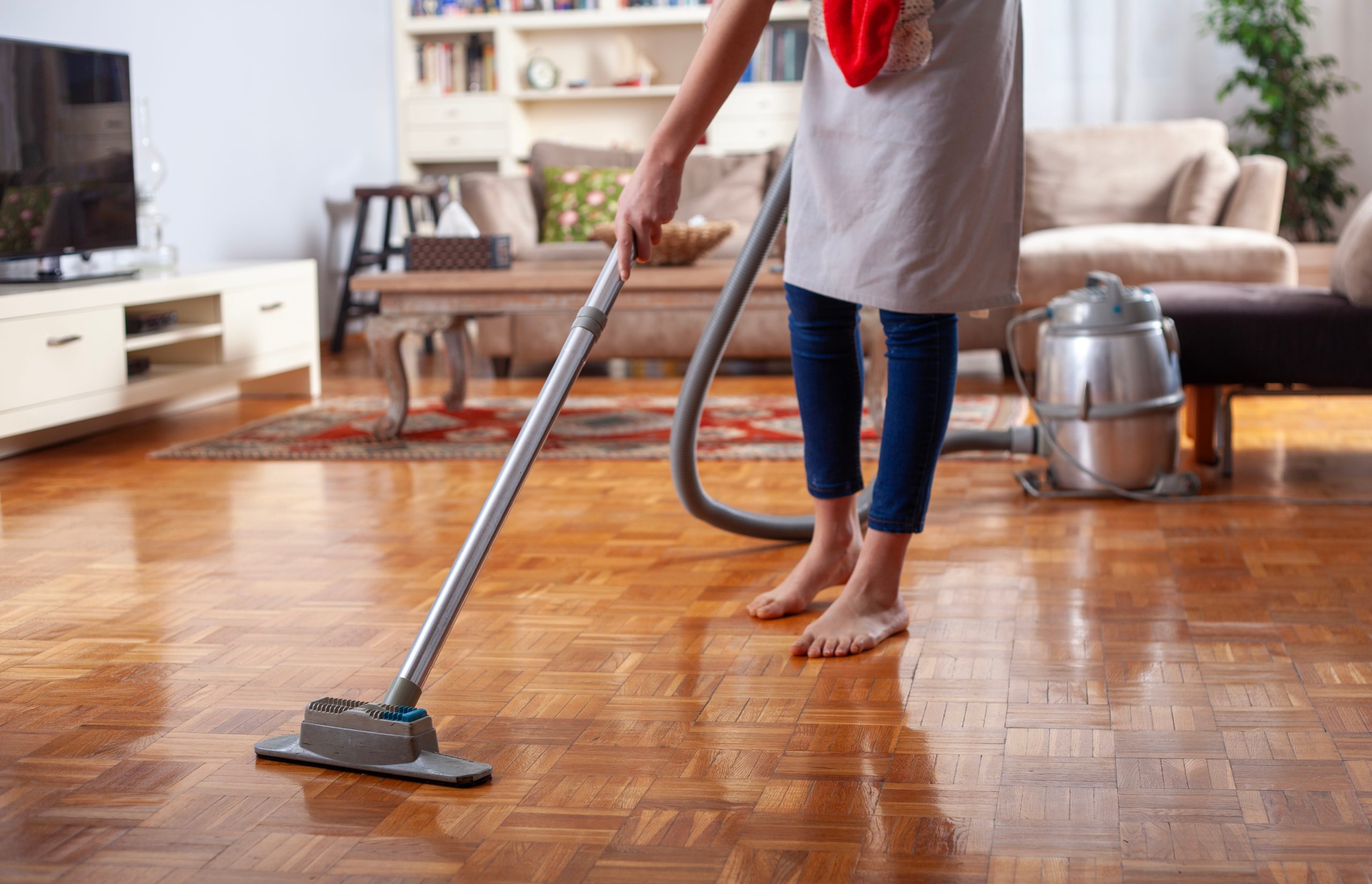
- Sweep/vacuum regularly (soft brush head)
- Wipe spills quickly
- Use a damp (not wet) mop with the right cleaner
- Place mats at entrances to trap grit
Avoid:
- Steam mops (often too much heat/moisture)
- Harsh detergents or bleach
- Excess water sitting on the surface
- Dragging heavy furniture
We’ll tell you exactly which cleaner suits your finish.
Why choose South Woodford Floor Sanding?
You only get one chance at a perfect sand and finish. The difference between an “okay” job and a stunning result often comes down to experience, preparation and the finishing system.
When you book with us, you get:
- Specialist sanding for solid wood, engineered floors and parquet
- Repairs handled properly (not hidden under varnish)
- Dust-controlled equipment for a cleaner process
- Professional-grade finishes chosen for your lifestyle
- Clear guidance on drying times and aftercare
Whether you need a full Wood Floor Sanding transformation, detailed Parquet Floor Restoration, safe Stair Sanding, or hardwearing Commercial Floor Sanding, we can help you restore tired boards into something you’ll be proud to show off.
Ready to restore your floor from tired to wow?
If your floors in South Woodford are worn, scratched or dull, let’s bring them back to life. Visit South Woodford Floor Sanding to learn more about our services and get started.
Because replacing a wooden floor is expensive—but restoring it properly can look even better than new.